Explore Cardiff Castle’s layered history, key sights, current visit details and access options to plan a practical day at this landmark in the Welsh capital.
Cardiff Castle is a historic site in the centre of Cardiff, Wales, combining remains and buildings associated with Roman occupation, a medieval stronghold and a Victorian Gothic transformation. It is both a prominent city landmark and a visitor attraction, with a range of spaces to explore, from Roman wall remains and the Norman Keep to the Castle Apartments and wartime shelters. These layers do not represent one unchanged building: the site was occupied and reshaped over many centuries. Understanding that distinction helps visitors read what they see, rather than treating every tower or wall as the same age. The castle sits within the modern city, so a visit can be combined with other central attractions, a meal or a walk through nearby green space.
For visitors, Cardiff Castle offers an unusually compact introduction to the city’s long history, but practical details shape the experience. Some attractions involve uneven ground or steep stairs, while other parts of the grounds and visitor centre offer level access. Tickets, opening hours and event arrangements can change, so verify them with the castle before travelling. Visitors arriving from elsewhere in the UK can reach the city centre by rail, while international travellers should plan the final transfer from their arrival airport or station. 2Let2 Cardiff is a full-service lettings agency in the city; its context is local accommodation, not castle admissions or tours. This guide therefore focuses on accurate visitor planning and explains how the landmark fits into a broader Cardiff stay.
What Cardiff Castle is
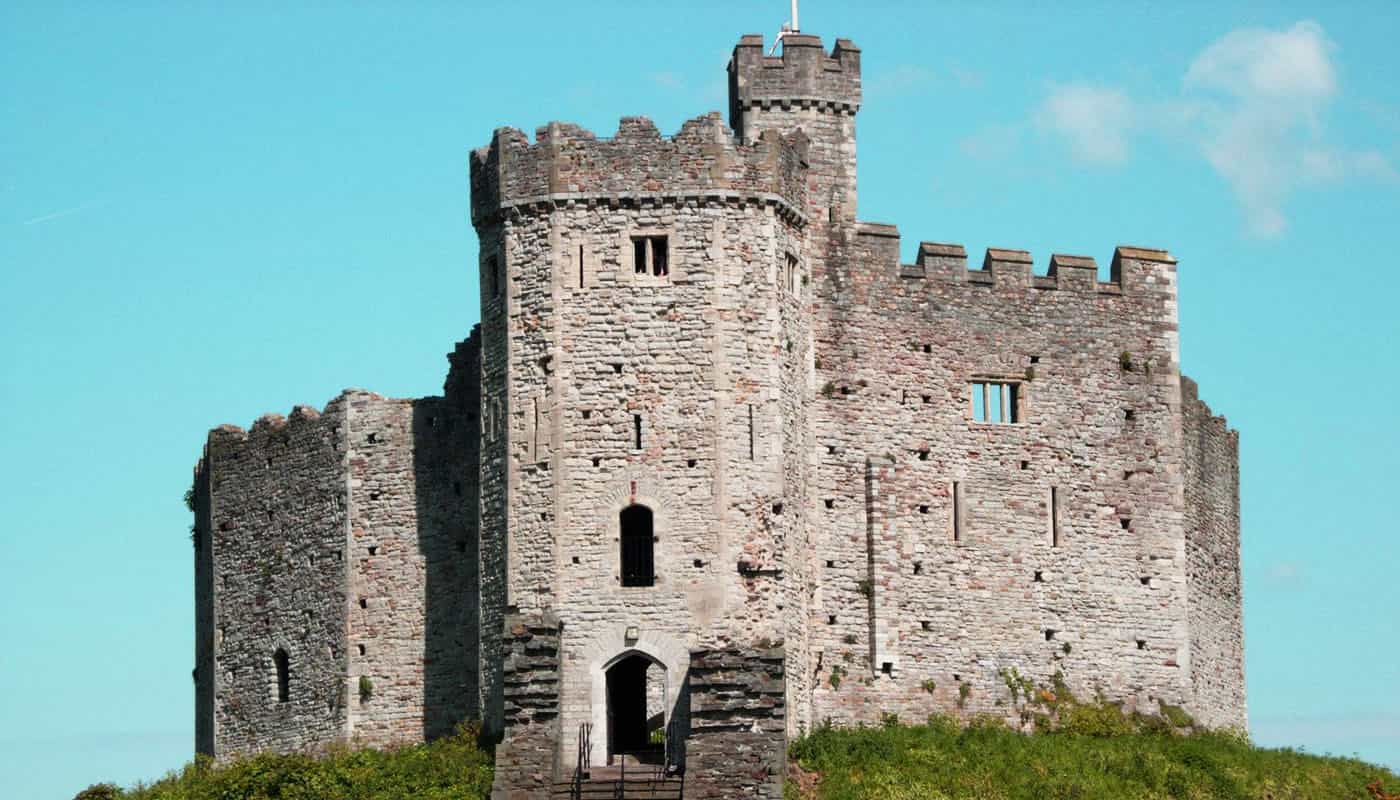
Cardiff Castle is a city-centre historic attraction whose grounds contain architectural evidence from several periods. It is not a single medieval structure preserved untouched. Roman fortifications, a Norman stronghold, later medieval buildings and a major Victorian transformation all contribute to what visitors encounter today. That combination makes the site useful both as a destination and as a way to understand Cardiff’s changing role over time.
The site’s Roman past is visible in surviving sections of wall, while the Norman Keep stands on a mound and reflects the castle’s role as a defensive stronghold. Later alterations added residential and ceremonial spaces. In the nineteenth century, the Bute family’s redevelopment transformed the interiors into an elaborate Gothic Revival environment. Wartime shelters add a further layer, showing how the grounds were used during a very different period of the city’s history.
These layers reward a visit that allows time to look closely. The outline of a fort wall, a medieval defensive feature and a richly decorated room communicate different stories. A guide, interpretation panel or audio resource can help connect them. Visitors interested mainly in architecture may spend longer in the apartments; those drawn to military history may prioritise the Keep, walls and wartime shelters.
Why the landmark matters
The castle occupies a central place in Cardiff’s visual identity and civic history. Its setting makes it straightforward to include in a city itinerary without travelling to the outskirts. It also offers a clear example of how one place can be reused by successive communities and authorities. Rather than presenting history as a linear sequence, the site shows adaptation: older structures remain beside or beneath later additions.
Visitors should avoid assuming that every visible stone is Roman or that every grand interior is medieval. The castle’s appearance is the result of multiple eras, restorations and interpretations. Reading the signs and asking what period a feature belongs to makes the experience more meaningful. If time is short, choose a few priorities rather than rushing through each space without context.
The attraction can also anchor a broader day in the capital. Central shopping streets, museums, cafés and public green spaces are within the wider city-centre area. Keep the schedule realistic: allow time for entry, orientation, the outdoor grounds and any interior areas that particularly interest you. Events may affect access or timings, so check the official visitor information before fixing other plans around a visit.
Highlights to explore
The main highlights span defensive architecture, domestic interiors and wartime history. Standard admission information from the attraction describes access to features such as the Castle Apartments, Norman Keep, Battlement Walks, Wartime Shelters and Firing Line museum; confirm the current ticket inclusions before booking, as operating arrangements may change.
- Roman remains: Look for surviving sections of the fort wall and interpretation explaining the Roman occupation of the site.
- Norman Keep: The stone shell keep rises from its mound and offers a strong sense of medieval defensive design; reaching the top requires a steep stair climb.
- Castle Apartments: The Victorian interiors are known for decorative rooms and an imaginative Gothic Revival style. A guided house tour may add detail, subject to current schedules and availability.
- Wartime Shelters: The shelters interpret how the castle’s walls provided protection during air raids in the Second World War.
- Battlement Walks and grounds: Outdoor routes provide views across the site and nearby city, with access conditions varying by section.
- Firing Line museum: This museum presents military history and is located within the visitor centre complex.
For a first visit, start with the orientation material and decide whether you prefer to explore independently or join a tour. Moving from the Roman remains to the Keep and then to later interiors gives a natural chronological thread, though the route should be adapted to mobility, weather and available time.
Photography for personal use is permitted according to visitor guidance, while flash, tripods and selfie sticks are not permitted inside the buildings. Respect barriers and staff instructions, especially in historic rooms and on narrow stairs. Such rules help protect fragile interiors and keep routes clear for other visitors.
Choose your visit style
A short visit can focus on the grounds, Roman wall and a selected interior. A fuller visit should leave room for the Keep, shelters, museum and apartments, and potentially a guided tour. The attraction indicates that many visitors spend around one to three hours exploring; a typical visit is often planned for about an hour and a half, while a house tour adds additional time. These are planning estimates, not fixed requirements.
Families may want to pace the visit around breaks and the amount of stair climbing their group is comfortable with. History enthusiasts can allow time to read interpretation rather than treating the site as a quick photo stop. If you are combining the castle with other attractions, avoid scheduling a tightly timed activity immediately afterward unless you have checked the day’s entry and tour arrangements.
Plan tickets, hours and arrival
Check the official Cardiff Castle visit pages on the day you plan your trip for current prices, opening hours, last entry and event notices. Published details can change, and special events sometimes alter the normal visitor schedule. As of the current information reviewed for 2026, the castle publishes seasonal hours: March to October and November to February have different closing and last-entry times, with weekday and weekend opening times also differing.
For example, the published schedule lists summer weekday opening at 10:00 and weekend opening at 09:00, with last entry at 17:00 and closing at 18:00. Winter weekday opening is listed at 10:00 and weekend opening at 09:00, with last entry at 16:00 and closing at 17:00. The venue identifies Christmas Day, Boxing Day and New Year’s Day as annual closure dates. Verify the current schedule, including any event-related early closure, before setting out.
The official ticket page currently lists standard admission at £16.50 for adults and £11 for children aged five to sixteen, with concessions and under-five arrangements also published. Prices and eligibility may change; check the official ticket page for current rates and what each ticket includes. Advance online purchase and in-person purchase are described as options. Do not assume a guided tour is included in standard admission; tour availability and any supplement should be checked separately.
Getting to the castle
The castle is in Cardiff city centre, within walking distance of Cardiff Central and Cardiff Queen Street stations. Local and national rail routes serve Cardiff Central, though services and journey times depend on origin and date. Cardiff’s bus network has stops near the castle; check current routes and frequencies with the operator or a journey planner. Walking from central transport hubs is practical for many visitors, but allow extra time if carrying luggage or travelling with mobility needs.
There is no on-site visitor parking. The castle’s directions page identifies nearby public car parks, including Westgate Street and Greyfriars. Check current availability, charges, restrictions and any road disruptions before driving. The city centre can be busy, particularly during major events, so public transport may be more convenient where it fits your journey.
Visitors arriving by air should plan the full journey from Cardiff Airport, which is outside the city. Check current rail and bus connections, and allow for transfer time rather than treating the airport as a central location. For international travellers, confirm the final station or stop and the route to your accommodation before arrival, particularly if arriving late.
Access, comfort and local context
Access varies significantly across the site. Official accessibility guidance says the visitor centre, shop, café and grounds have level-access routes in many areas, and a lift serves parts of the visitor centre. The Norman Keep and Castle Apartments are not wheelchair-accessible; both include steps, and climbing the Keep involves around 50 steep stone steps. Check the full access guide before buying tickets if a particular space is essential to your visit.
Some paths are cobbled, and much of the grounds is grass. Weather can affect surfaces, especially around steps and outdoor routes. Plan footwear accordingly and allow extra time. Disabled toilets are located in the visitor centre, with lift and stair access to the relevant floor, according to the venue’s published access information. The castle also describes concessionary admission for disabled visitors and free entry for one accompanying carer; verify current terms directly with the ticket information.
Audio guides are published in multiple languages, with a British Sign Language option and material for visually impaired visitors. Availability and format should be confirmed before arrival, particularly if a specific language or support is important. Pre-booking may be required for some touch tours or group access arrangements. Ask the venue’s official visitor information for the latest details rather than assuming every access feature is available on every date.
Make a thoughtful itinerary
Cardiff Castle sits near major city-centre streets and green areas, so it can be paired with a walk or another nearby attraction. Build a flexible plan: begin with the castle, then decide whether to continue to nearby parks, cultural venues or cafés depending on weather and energy. If your trip coincides with a concert, sporting fixture or city event, transport demand and road conditions may differ from an ordinary day.
The Public Square is a distinct part of the grounds and has separate access arrangements from ticketed visitor areas. Official information describes it as a free space, while entry to the main visitor attractions requires admission or eligible access. Dogs are permitted in the Public Square, but not generally in the buildings or Inner Green, except trained assistance dogs. Check current rules if travelling with an animal.
Be considerate in historic spaces: keep pathways clear, supervise children near steps and walls, avoid climbing on masonry, and follow any temporary closures. Accessibility is not identical across the whole property, so a visit can still be worthwhile even if some areas are inaccessible, provided expectations are set in advance. Plan around the parts that are usable and meaningful for everyone in your group.
For accommodation decisions, proximity should be weighed against price, transport and the purpose of the trip. 2Let2 Cardiff is a full-service lettings agency, but the agency’s housing role is separate from the castle’s visitor operations. If staying in Cardiff, compare a property’s actual address and travel route rather than assuming that a listing described as “central” is next to the attraction. Check the booking terms and transport options for your dates.
Cardiff Castle Summary
Cardiff Castle brings Roman remains, medieval defences, Victorian interiors and wartime history together in a central Cardiff setting. Choose your priorities before arrival: the grounds and visitor centre differ from the stair-access areas of the Keep and apartments. Check current ticket rates, seasonal opening times, last entry and event notices with the official venue; prices and schedules can change. Rail stations and bus stops are close, while there is no on-site parking. Allow enough time for the spaces you want to explore, and review accessibility details carefully if anyone in your group needs step-free routes or specific support. Cardiff Castle works well as one part of a city itinerary, but weather, mobility, event schedules and personal interests will shape how much you can see. Confirm the details that matter most to your visit before travelling.
Frequently asked questions
Quick answers for planning a visit; confirm live details with the attraction before travel.
Cardiff Castle is a historic site and visitor attraction in central Cardiff, Wales. Its grounds contain remains and buildings associated with Roman occupation, medieval defences, Victorian Gothic interiors and wartime use. Visitors can explore selected spaces, subject to admission, access conditions and current opening arrangements.
Many visitors plan around 90 minutes, while the venue notes that visits commonly range from one to three hours. Allow longer if you want to explore several interiors, read interpretation or join a guided house tour. Check tour duration and schedule separately when planning a tightly timed day.
The official ticket page currently lists adult and child rates, plus concessionary and under-five arrangements. Rates can change, so verify the price and eligibility directly before booking. Check whether a guided tour is included or costs extra, and confirm that the ticket covers the specific areas you plan to visit.
Parts of the grounds and visitor centre have level access, but the Norman Keep and Castle Apartments are not wheelchair-accessible and involve steps. Surfaces include cobbles and grass. Review the official accessibility guide for current routes, facilities and ticket arrangements, especially if a particular room or feature is important.
Cardiff Central and Cardiff Queen Street stations are both within walking distance of the castle. Local buses also stop nearby. Routes, service frequencies and disruption vary, so use current rail or bus journey information for your date and allow extra time if travelling with luggage or mobility equipment.
The venue describes the Public Square in the outer green as free to enter. Access to the ticketed visitor attractions, including the castle interiors and other exhibits, requires admission or eligible entry. Check current boundaries, opening times and any event-day arrangements before relying on free access.

Use this Cardiff Castle guide to plan arrival, prioritise the historic highlights and check access needs before exploring Cardiff.
Explore trusted expertise and learning resources
Discover professional digital marketing, website support and practical English learning through these featured resources.
Promote Barcelona
Promote your Barcelona brand with focused digital marketing support.
Tune My Website
Tune your website with SEO, design and marketing expertise today.
New English Center
Build English skills with practical courses and learning support.