Cardiff Wales is the capital city of Wales; this guide explains its districts, landmarks, transport and local context for visitors and future residents.
Cardiff Wales is the capital city of Wales, a country within the United Kingdom, on the south coast near the Bristol Channel. It has a historic centre, distinct neighbourhoods and a waterfront district at Cardiff Bay. The name can refer to the city itself or to the wider City and County of Cardiff local authority area, so population and service figures should be checked for the exact boundary. Visitors often combine Cardiff Castle, Bute Park, central shopping streets and museums, then make a separate trip to the Bay or an attraction beyond the centre. This guide gives an overview of the city’s geography, travel, places to explore and practical planning considerations. It is designed for local and international readers, not as a live directory.
Cardiff is well connected by rail, coach, road and air. Cardiff Central railway station is in the city centre, close to major venues and attractions, while buses and local rail link the centre with other districts. The city is compact and many central sights are walkable, but access, journey time and facilities vary by destination. Cardiff Bay is a visitor waterfront, not a public swimming area: the Harbour Authority prohibits swimming in the Bay and its rivers because of safety risks. Population figures also depend on date and geography: the mid-2024 estimate for the local authority area was 383,919, not a live 2026 count. Before a visit or move, confirm current transport, venue, housing and council information for the specific address and dates.
Cardiff Wales: understanding the city
Cardiff is Wales’ capital and largest city. It serves as a centre for national government, business, education, culture and sport, while remaining a place of neighbourhoods and local communities. The city sits at the mouth of the River Taff, on the Bristol Channel. Welsh-language signs and place names are part of daily life; the Welsh name for Cardiff is Caerdydd.
“Cardiff” may mean the central urban area, the wider built-up city or the City and County of Cardiff, the local authority area governed by Cardiff Council. These geographies are not interchangeable. Population data, council services, property listings and maps can refer to different boundaries, so check how a source defines the place before comparing figures or making a decision.
Capital city and county area
Cardiff was officially recognised as the capital of Wales in 1955. The City and County of Cardiff covers the capital and surrounding communities, not just the streets close to Cardiff Central station or Cardiff Castle. The neighbouring Vale of Glamorgan is a separate local authority, even though people travel between the two areas for work, study and leisure.
For residents, council services such as local facilities, waste arrangements or school information depend on the responsible authority and often the exact address. For visitors, the distinction matters when choosing accommodation or estimating travel. A listing described as “Cardiff” may be outside the centre, so confirm the postcode and route rather than relying on a city label alone.
Cardiff’s scale is useful context for planning. The mid-2024 official population estimate for the local authority area was 383,919, as reported in Cardiff’s May 2026 demographic evidence update. The 2021 Census recorded 362,400 usual residents. These figures refer to different dates and methods; neither should be presented as a live 2026 headcount.
Districts, landmarks and places to explore
Cardiff’s main visitor areas include the central district, Cathays Park, Bute Park and Cardiff Bay. The city centre brings together historic sites, shopping arcades, markets and major venues. Cathays Park has civic buildings and the National Museum Cardiff. Bute Park offers riverside paths next to Cardiff Castle. Cardiff Bay, south of the centre, is a separate waterfront district with cultural venues, public spaces and places to eat.
Central Cardiff
Cardiff Castle sits beside the central shopping area and offers visitors a chance to explore a historic site with Roman and medieval layers, later interiors and grounds. Check current opening hours, ticket terms and event notices before visiting; access to specific spaces can vary. The Victorian and Edwardian arcades nearby offer covered routes between shops and cafés and are part of the city’s distinctive central character.
National Museum Cardiff is in Cathays Park and brings together art, natural history and geology collections. The museum currently offers free general admission, though some exhibitions or activities may have a charge. Its opening days and gallery times can change, so check the museum’s visitor information close to your trip. Nearby civic buildings and gardens can be added to a walk through the area.
Bute Park stretches along the River Taff beside the castle. It provides a change of pace from busy streets, with paths, gardens and green space within walking distance of central attractions. The park is extensive, so choose an entrance and route that fit your time and mobility. Check current facilities and path access if those details matter to your visit.
Cardiff Bay
Cardiff Bay was redeveloped from the former docklands into a waterfront destination. Landmarks include the Wales Millennium Centre, the Senedd and the Pierhead Building. Mermaid Quay and the surrounding waterfront have restaurants and public spaces; theatres and other venues publish their own programmes and access information. Plan around a performance or visit if you have a particular building in mind.
Cardiff Bay is a place to walk, eat, visit attractions or attend cultural events, not a public swimming area. Cardiff Harbour Authority prohibits swimming in the Bay and its rivers because of safety risks including dangerous depths and currents. Do not enter the water to swim, even if it looks calm. For outdoor swimming, research a suitable coastal beach and follow its current safety guidance.
Beyond the centre
St Fagans National Museum of History is an open-air museum on the outskirts of Cardiff, with historic buildings and collections set within extensive grounds. It is not a quick detour from the central cluster; allow separate travel and time to explore. The museum currently offers free general admission, but parking and some activities may have charges. Check opening arrangements before going.
Neighbourhoods such as Pontcanna, Roath, Canton and Grangetown each have their own local centres, parks and residential character. Their broad descriptions are only starting points. If you are deciding where to stay or live, look at the exact street, journey to places you need and local amenities rather than assuming a neighbourhood label tells the whole story.
Getting around Cardiff
Cardiff is compact, and many central attractions are close enough to link on foot. Official Visit Cardiff guidance highlights walkability, local transport and connections between the city centre and Cardiff Bay. Journeys still vary with route, weather, crowding and access needs. Use current journey planners for the day and time you plan to travel.
| Mode | Useful for | Check before travelling |
|---|---|---|
| Walking | Central sights, arcades, parks and short city-centre trips. | Exact route, crossing points, weather and step-free access. |
| Local rail | Connecting central stations with Cardiff Bay and other districts. | Live timetable, station access and service disruptions. |
| Bus | Local routes across Cardiff and nearby areas. | Operator, route, fare and current service updates. |
| Waterbus | A scenic link between the centre and Cardiff Bay when operating. | Departure points, schedule, fares and seasonal availability. |
| Car or taxi | Journeys beyond the centre or travel with particular needs. | Traffic, parking, event restrictions and current route details. |
Arriving in Cardiff
Cardiff Central is the main railway station and is close to central hotels and attractions. Cardiff is connected to the UK rail network, with services from London and other cities. Transport for Wales, Great Western Railway and other operators publish timetables and updates. Check the current route, platform and any planned disruption before departure, especially if you have a timed event or onward connection.
Coach services connect Cardiff with destinations around the UK. Coach arrival points may differ from the rail station, so check the operator’s stop and plan your onward journey. Cardiff Airport is in the Vale of Glamorgan, west of the city. If flying in, compare the current public transport and road options for your arrival time rather than assuming the airport is in the city centre.
By car, Cardiff is connected to the M4 and local road network. Driving may be useful for journeys beyond central Cardiff, but parking and traffic can be challenging around major events. Check official car park details, restrictions and road updates. For a central sightseeing day, compare public transport or walking with the time and cost of parking.
Moving between centre and Bay
Cardiff Bay can be reached by local rail, bus, walking or a waterbus when it is operating. Visit Cardiff identifies Cardiff Queen Street and Cardiff Central as main rail hubs and notes a regular rail link to Cardiff Bay. The waterbus offers a scenic alternative, but schedules, fares and service availability can change. Verify the departure point and current operating information before relying on it.
For visitors with mobility requirements, check accessibility at each part of the journey: station, vehicle, pavement, venue entrance and facilities. An accessible destination does not automatically mean every route to it is step-free. Visit Cardiff’s accessibility information and individual venue pages can help identify current arrangements; confirm anything essential directly with the provider.
Plan a visit or a move
A visitor can plan Cardiff around a few priorities: history, sport, culture, shopping, green space or the waterfront. Official visitor itineraries offer one- and two-day ideas, but those are flexible outlines rather than fixed schedules. A castle visit, museum galleries, a live performance and a trip to the Bay each need different amounts of time.
A practical visit checklist
- Choose the attractions and districts that matter, then group nearby stops.
- Confirm current opening hours, ticket needs and event schedules with each venue.
- Use live transport information for the specific date and time.
- Check accessibility at both the destination and the route to it.
- Allow extra time for matchdays, concerts, school holidays or busy weekends.
For families, include breaks, meals and indoor alternatives in the plan. For a short stay, choose one or two central attractions and a separate Bay activity rather than trying to cover every district. If travelling with older visitors or people with limited mobility, review walking distances, seating and accessible toilets before committing to a route.
Considering a move
For prospective residents, Cardiff Wales offers a range of urban neighbourhoods, but no single citywide description can determine which area is right. Compare the specific home with commuting needs, schools or services relevant to your household, public transport, shops and green space. Research the street at different times and confirm property details, tenancy terms and current costs independently.
Population statistics can provide broad context, but the 383,919 mid-2024 estimate refers to the local authority area, not every district or the number of people present on a given day. The 2021 Census total of 362,400 uses a different date and data method. Cite the reference date and geography whenever using these figures.
Citywide access to transport does not ensure that every address is convenient. Check routes from the exact property to work, education, healthcare and other regular destinations at the times you will travel. The same is true for schools and council services: use official postcode or address tools to determine the responsible authority and local arrangements.
Costs vary with property, season, household and personal choices. There is no single reliable price for visiting or living in Cardiff. Check current venue charges, transport fares, accommodation terms and rental information through the relevant provider before budgeting. For overseas readers, confirm UK entry requirements and currency arrangements from appropriate official sources.
Cardiff Wales Summary
Cardiff is the capital of Wales, with a historic centre, distinct neighbourhoods and the waterfront at Cardiff Bay. Central landmarks include Cardiff Castle, Bute Park and National Museum Cardiff; St Fagans is a separate trip beyond the centre. The city is served by rail, buses, roads and an airport in the neighbouring Vale of Glamorgan.
Plan around your interests, the exact location and the time available. Confirm current venue schedules, transport, ticket terms and accessibility with official providers. The City and County of Cardiff had a mid-2024 population estimate of 383,919; it is not a live 2026 count. Cardiff Bay is for waterfront visits, not swimming. For housing or local services, research the exact address rather than relying on citywide averages.
Cardiff Wales FAQs
Quick answers to common questions about the Welsh capital.
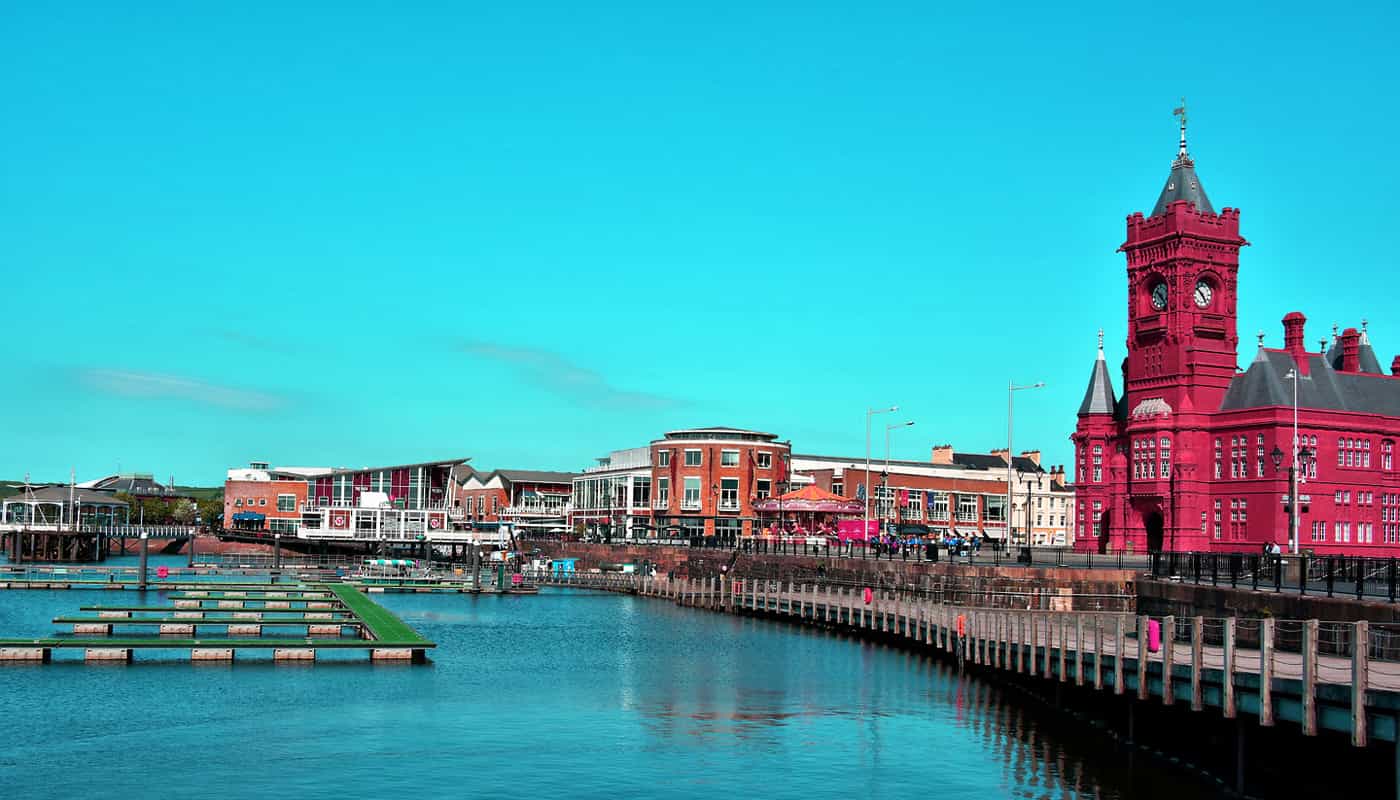

This Cardiff Wales guide helps readers understand the city’s districts, transport and local context before planning a visit or considering a move.
Explore our featured partners
Discover services and ideas from these featured websites.
Creative perspectives and stories to inspire your next discovery.
Discover Barcelona-focused promotion, ideas and helpful resources.
Explore website tuning insights to support your online presence.
Find English learning resources for your language journey today.